Stainless Steel Solutions for Every Industrial Application
From austenitic 304 to precipitation-hardened 17-4PH, the right stainless steel grade can make or break a project. Our comprehensive analysis covers the specifications, applications, and sourcing considerations that matter most to engineers, fabricators, and procurement teams.
Understanding Stainless Steel Grades
Selecting the right alloy requires balancing corrosion resistance, mechanical strength, machinability, and cost. We break down the most commonly sourced grades to help you make informed procurement decisions.
304 Stainless Steel
The most widely used austenitic stainless steel grade, 304 offers excellent corrosion resistance and formability. It is the standard choice for food processing equipment, kitchen surfaces, chemical containers, and architectural applications. With a chromium content of 18% and nickel at 8%, it provides reliable performance across a wide range of environments.
17-4PH Stainless Steel
A precipitation-hardened martensitic grade combining high strength with good corrosion resistance. 17-4PH is favored in aerospace components, turbine blades, nuclear reactor parts, and high-performance valve systems. Its ability to be heat treated to various strength levels makes it uniquely versatile among stainless alloys.
NIT60 Stainless Steel
A nitrogen-strengthened austenitic stainless steel developed for applications demanding superior strength without sacrificing corrosion resistance. NIT60 is gaining traction in demanding industrial environments where traditional austenitic grades fall short on mechanical performance, offering an attractive balance between cost and capability.
Stainless Steel Bar & Stock
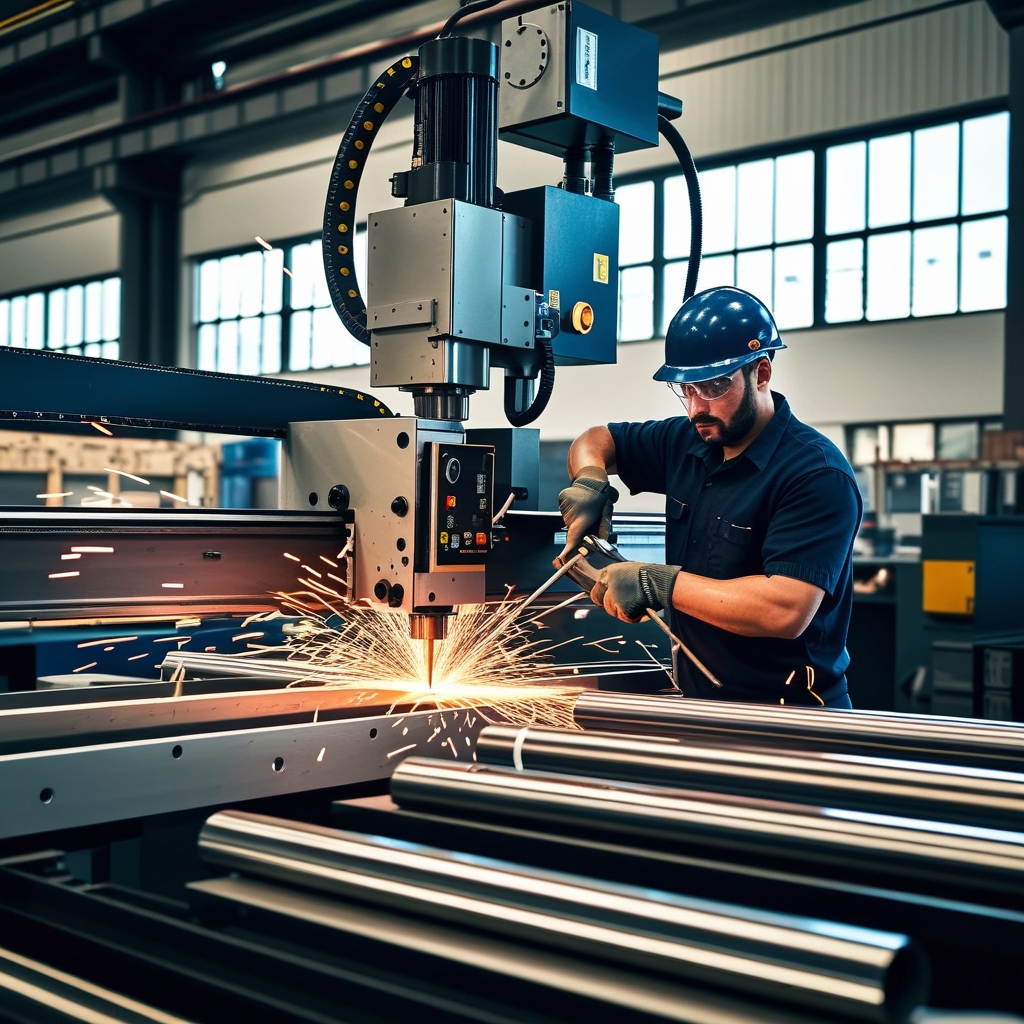
Round bar, flat bar, hex bar, and square bar stock form the backbone of any metal supply operation. Sourcing the right form factor in the correct grade ensures efficient machining, reduced waste, and faster project turnaround. Reliable stock availability directly impacts production schedules and project timelines.
We follow industry standards established by SSINA (Specialty Steel Industry of North America), ensuring accurate technical specifications for every stainless steel grade we cover. Their educational resources provide foundational knowledge for engineers and procurement professionals evaluating alloy options.
Technical Deep Dive: 17-4PH Stainless Steel
This expert overview covers the properties, heat treatment processes, and common applications for one of the most versatile precipitation-hardened stainless steel grades on the market.
How We Evaluate Stainless Steel Suppliers
Our research methodology draws on years of industry experience, direct supplier engagement, and rigorous analysis of material certifications and delivery performance.
Material Certification Review
Every supplier undergoes certification verification to confirm compliance with established material standards. We review mill test reports, chemical composition documentation, and mechanical property certifications.
Supply Chain Reliability
Consistent availability of stainless steel stock is critical. We assess inventory depth, lead times, shipping logistics, and a supplier’s track record for on-time delivery across multiple order cycles.
Technical Support Quality
The best metal suppliers provide more than just material. We evaluate each provider’s engineering support, grade selection guidance, custom cutting services, and responsiveness to technical inquiries.
Industry Applications
Stainless steel serves a remarkably diverse range of sectors, each with specific grade requirements, surface finish specifications, and performance criteria.
Aerospace & Defense
17-4PH and custom precipitation-hardened grades for turbine components, landing gear, and structural fasteners requiring high strength-to-weight ratios.
Food & Pharmaceutical
304 stainless steel dominates sanitary processing equipment, storage tanks, and conveyor systems where corrosion resistance and cleanability are essential.
Oil, Gas & Energy
Duplex and super duplex grades for offshore platforms, while austenitic grades handle heat exchangers and piping systems in refinery and power generation environments.
Architecture & Construction
Brushed and polished stainless steel panels, structural supports, handrails, and facade elements that combine aesthetics with long-term weather resistance.
Quality Standards and Material Testing
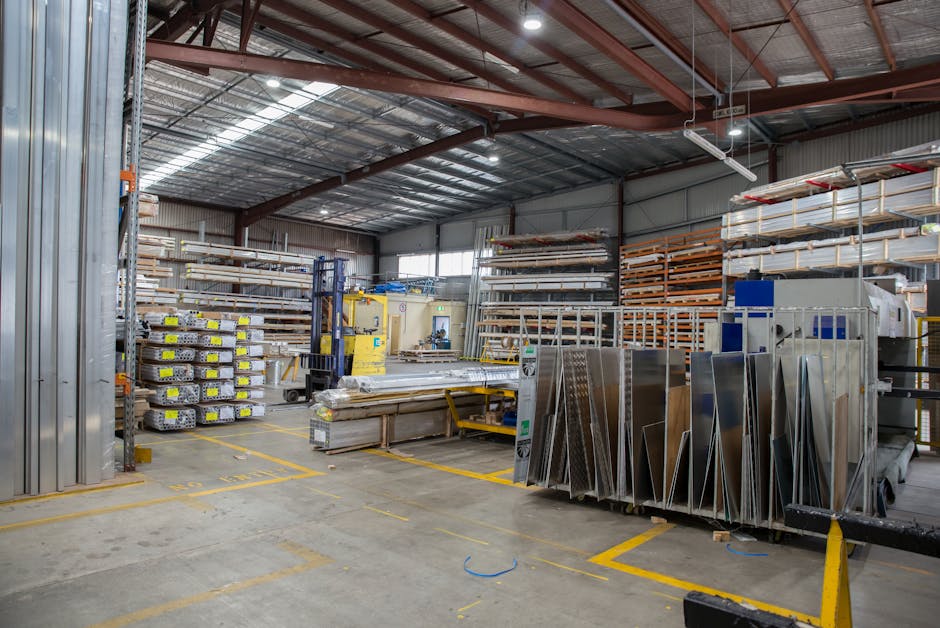
Reliable stainless steel sourcing starts with verified material properties. Every reputable supplier provides mill test reports documenting chemical composition, tensile strength, yield strength, elongation, and hardness values for each heat of material shipped.
Understanding these certifications is essential for engineers specifying materials for critical applications. The difference between a compliant and non-compliant material can mean the difference between project success and costly failure.
All material specifications referenced on this site align with standards developed by ASTM International, the global authority on materials testing and quality classification. Their comprehensive framework for evaluating stainless steel grades ensures consistency across the supply chain.
Need Help Selecting the Right Grade?
Whether you are sourcing 304 for a food processing project or 17-4PH for an aerospace application, our industry research and supplier analysis can point you in the right direction. Reach out for a detailed consultation.