Industry Insights
Analysis, trends, and technical knowledge from the stainless steel and metals supply industry
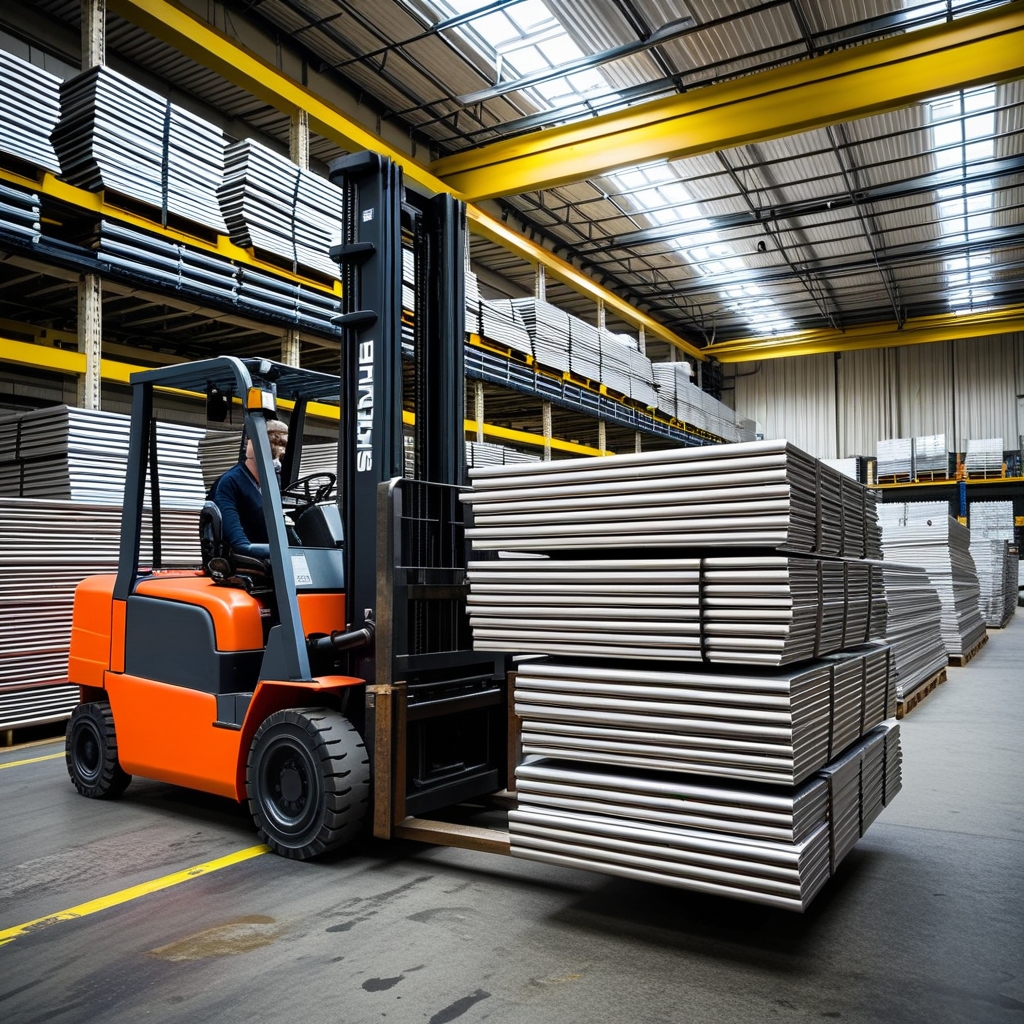
Understanding Stainless Steel Grades for Industrial Applications
Choosing the right stainless steel grade can determine the success or failure of an industrial project. From corrosion resistance to tensile strength, each alloy brings distinct properties to the table. Our analysis breaks down what matters most when specifying materials for demanding environments.
As ASM International explains, understanding metallurgical properties is essential when selecting the right stainless steel alloy for demanding applications. This is especially true for precipitation-hardened grades like 17-4PH, which are widely used in aerospace components, chemical processing equipment, and high-performance industrial machinery.
Grade Spotlight: 304 vs. 17-4PH vs. NIT60
304 Stainless Steel
The most widely used austenitic stainless steel grade globally. 304 offers excellent corrosion resistance, good formability, and strong weldability. It performs reliably in food processing, architectural trim, kitchen equipment, and chemical containers where moderate corrosion resistance is sufficient.
17-4PH Stainless Steel
A precipitation-hardened martensitic stainless steel delivering high strength with good corrosion resistance. 17-4PH is the go-to grade for aerospace structural parts, turbine blades, nuclear reactor components, and oil patch valve parts where mechanical strength under stress is non-negotiable.
NIT60 Stainless Steel
A nitrogen-strengthened austenitic grade offering enhanced mechanical properties compared to standard austenitic steels. NIT60 provides superior yield strength while maintaining excellent ductility and toughness, making it valuable in structural and pressure vessel applications where performance margins matter.
Educational Resource
A comprehensive overview covering fundamental concepts through advanced applications in stainless steel engineering.
Supply Chain Trends Shaping the Metals Industry
The stainless steel supply chain has faced significant shifts over the past several years. Raw material costs, energy prices, and logistics disruptions have all played a role in reshaping how distributors source and deliver metal products. Manufacturers and fabricators are increasingly looking for suppliers who maintain deep inventory across multiple grades and forms to avoid costly production delays.
Stainless steel bar stock and sheet products remain in consistently high demand across construction, automotive, and industrial manufacturing sectors. Having reliable access to both standard and specialty grades — including harder-to-source alloys like 17-4PH and NIT60 — gives procurement teams the flexibility they need to meet project timelines without compromising on material specifications.

Market Outlook and Sustainability
Sustainability has become a defining factor in how the metals industry operates. Stainless steel already benefits from being one of the most recycled materials on the planet, with recycling rates exceeding 80% in many applications. This circular lifecycle gives stainless steel a distinct advantage as manufacturers face growing pressure to reduce environmental footprints and meet regulatory standards.
Looking ahead, demand for corrosion-resistant alloys is expected to grow alongside infrastructure investment, energy transition projects, and expansion in medical device manufacturing. Distributors who maintain broad inventory and technical knowledge across both common and specialty grades will be best positioned to serve these evolving market needs.
Global stainless steel production and consumption trends continue to evolve. For more detailed information about worldwide market data and sustainability initiatives, visit World Stainless.
Stay Informed
Explore our other resources for technical specifications, project portfolios, and direct consultation with industry professionals.